Sweet Idleness and the Stillness Within: How Italy's Ancient Philosophy of Rest Can Liberate Americans from the Tyranny of Busyness
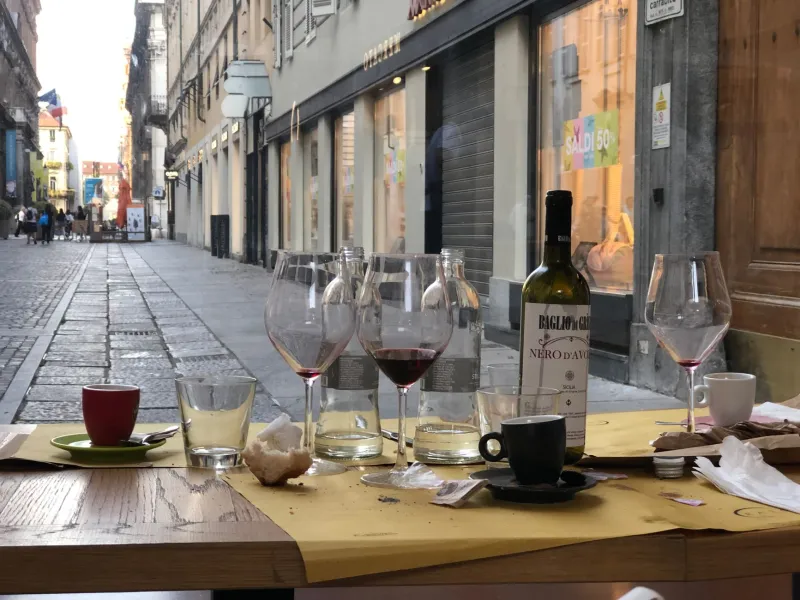
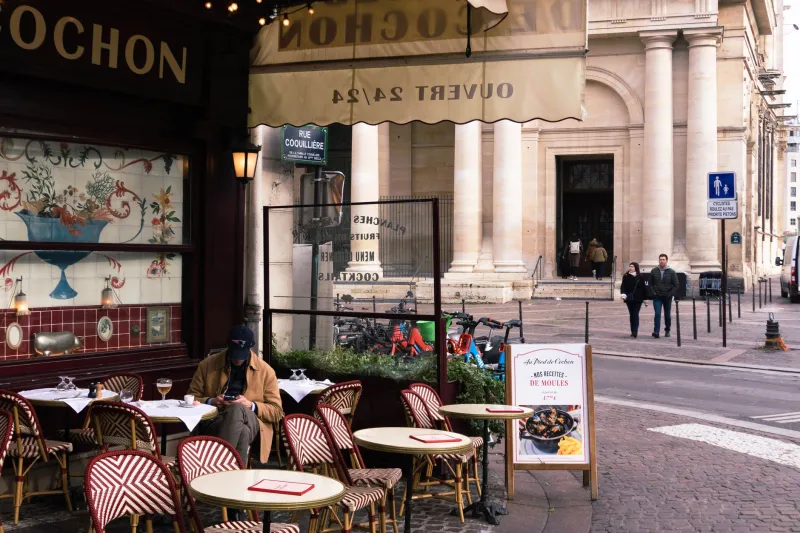
There is a particular quality of afternoon light in Florence — amber, unhurried, almost conspiratorial — that seems to grant permission. Permission to sit without purpose. To watch pigeons negotiate the cobblestones. To allow a single espresso to last the better part of an hour. Locals do not call this wasted time. They call it dolce far niente: the sweetness of doing nothing.
For most Americans, this phrase, however charming it sounds, arrives with an undercurrent of unease. The United States is a nation that has long equated stillness with stagnation. To be busy is to be worthy. To rest without a scheduled recovery protocol, a meditation app, or a productivity justification is, culturally speaking, borderline transgressive. Yet across Europe — not only in Italy, but in Portugal, Greece, and even the industrious nations of northern Europe — intentional idleness is treated not as a failure of ambition, but as its quiet foundation.
The Philosophy Behind the Pause
The phrase dolce far niente has roots that stretch back to classical antiquity. Roman philosopher Cicero wrote extensively on otium — a form of leisure distinct from mere rest, closer to a reflective withdrawal from public life that nourished the mind and spirit. This was not the absence of productivity; it was understood as its precondition.
Modern Italian culture has preserved this inheritance with remarkable fidelity. The afternoon riposo, the extended Sunday lunch that dissolves into early evening, the passeggiata — a slow evening stroll with no destination in mind — these are not charming anachronisms. They are structural commitments to a particular relationship with time: one in which the human being is not always in service to the clock.
"We do not think of rest as something you earn after work," explains Dr. Francesca Moretti, a wellness researcher based in Bologna who has studied cross-cultural attitudes toward leisure. "In Italy, rest is woven into the rhythm of the day itself. It is not a reward. It is a right."
This distinction is not semantic. It cuts to the heart of why so many Americans return from European vacations feeling genuinely transformed — and then, within weeks, find themselves back inside the same exhausting patterns. They experienced dolce far niente as tourists. They never learned to practice it as a philosophy.
When Busyness Becomes an Identity
The American relationship with productivity is, by now, well-documented. Researchers at the Harvard Business School have found that Americans frequently use busyness as a social signal — a marker of importance and status. To be overwhelmed is, paradoxically, aspirational. The phrase "I've been so busy" functions less as a complaint and more as a quiet boast.
This cultural programming begins early. American children are enrolled in structured activities from toddlerhood. Teenagers build résumés. College students optimize their summers. By the time a young professional enters the workforce, the ability to simply be — without producing, optimizing, or improving — has often been entirely unlearned.
The consequences are measurable. The American Institute of Stress reports that workplace stress costs U.S. employers more than $300 billion annually in lost productivity, absenteeism, and healthcare costs. Burnout, once a clinical term applied to extreme cases, has become so normalized that it now appears in casual conversation as a near-universal experience.
Europe is not immune to these pressures, particularly as digital culture accelerates across the continent. Yet the cultural architecture — the long lunches, the legally protected vacation time, the social permission to disengage — continues to provide what many wellness experts describe as a collective buffer against the worst excesses of hustle culture.
Stillness as Sophistication, Not Surrender
One of the persistent misconceptions Americans carry about dolce far niente is that it requires the abandonment of ambition. This is a fundamental misreading. The Italian philosophy does not ask you to stop wanting things. It asks you to recognize that the relentless pursuit of things, without pause, without spaciousness, ultimately diminishes both the pursuit and the person conducting it.
Consider the Portuguese concept of saudade — a melancholic, contemplative longing that is deeply embedded in national identity. Or the Greek tradition of meraki, the idea of pouring one's soul into whatever one does. These are not passive philosophies. They are deeply engaged relationships with experience, made possible precisely because the practitioner has cultivated the capacity to be present, unhurried, and attentive.
"The cultures that have the most sophisticated relationship with rest," observes Copenhagen-based mindfulness educator Lars Eriksen, "tend also to produce work of remarkable depth and quality. This is not a coincidence. Stillness is not the opposite of creativity. It is its natural environment."
Practical Pathways: Adopting the Philosophy Without Abandoning Ambition
For Americans genuinely interested in integrating dolce far niente into daily life, the shift is less about dramatic lifestyle overhaul and more about a quiet renegotiation of values. Several European wellness practitioners offer the following guidance.
Unstructure one hour per week, intentionally. Choose an hour — not a lunch break, not a dog walk, not a passive scroll through a phone — and protect it from purpose. Sit in a park. Observe. Allow the mind to wander without guilt or redirection. This is not meditation in the formal sense; it is closer to what the Italians would recognize as genuine riposo.
Resist the optimization of leisure. Americans frequently approach rest with the same goal-oriented energy they bring to work. A vacation becomes a list of attractions to complete. A weekend becomes a project of self-improvement. European leisure culture suggests a different approach: allow experience to arrive without agenda. A meal is not a task. A conversation is not a networking opportunity.
Separate rest from productivity justification. Perhaps the most psychologically demanding aspect of this practice for American audiences is resting without a reason. Europeans, broadly speaking, do not rest because it will make them more productive tomorrow. They rest because rest is inherently valuable. This reframing — from instrumental to intrinsic — is where the deepest transformation lies.
Embrace the unscheduled afternoon. When possible, resist the impulse to fill every available hour. Leave a Sunday afternoon genuinely open. Do not plan it. Do not optimize it. Allow it to become what it will. This is closer to the spirit of dolce far niente than any structured wellness protocol.
The Stillness That Waits
There is something quietly radical about the idea that doing nothing — truly, consciously, beautifully nothing — might be among the most important things an American can learn to do. Not because productivity is without value, but because the relentless pursuit of it, uninterrupted and unexamined, extracts a cost that rarely appears on any balance sheet.
Europe's great gift to the wellness conversation is not a new technique or a refined supplement. It is an older, more patient wisdom: that the quality of a life is not measured in its output, but in the depth of its experience. That stillness is not emptiness. That the sweetness of doing nothing is, in fact, the sweetness of being fully alive.
In the amber light of a Florentine afternoon, this truth requires no explanation. For the rest of us, it may simply require practice.